Monday, 26 November 2018

Luxury And Local Life: Mixing It Up In The Maldives

Image Alternative text

November 2018 
Some 1800 years ago, Arabic traders gave the Maldives a moniker that remains relevant to this day: the ‘Money Isles’. Back then, the archipelago’s abundant cowrie shells ( boli) were a powerful international currency, and these paradisaical islands have evolved into a playground for the rich and even richer.

For many, world-class luxury resorts are still the major drawcard, but there are two sides to every coin, or cowrie shell. Combining resort indulgence with a cultural encounter on one of the Maldives' dozens of inhabited islands can make a trip here all the more enriching.
International Tour Packages From Mumbai
Credit : freepik.com

Luxury And Local Life In The Maldives

Appreciating The Maldives' Natural Riches


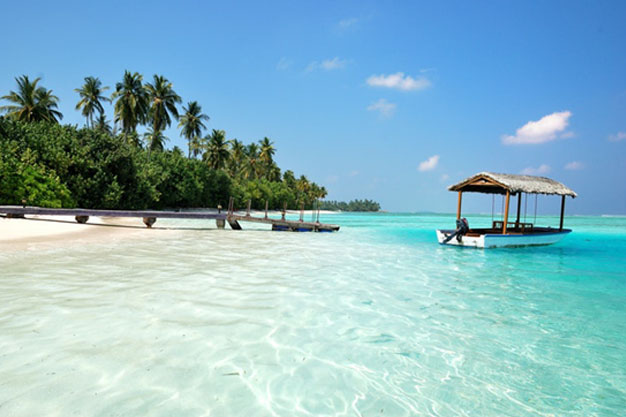
Nicknames aside, the etymology of the word ‘Maldives’ refers to the remarkable geography of this scattered archipelago. The ‘garland islands’ are indeed draped like a necklace across the Indian Ocean, hanging below the teardrop-shaped earring of Sri Lanka. And this is a treasure crafted from only the finest materials: white-gold sands with a turquoise trim, diamond-clear waters and sparkling sunsets framed by a curtain of palms. Every second spent here is a pinch-me moment.

The Maldives is the world’s lowest country in terms of elevation, and therefore first in the climate change firing line, which makes its natural wonders seem all the more precious, particularly when you meet the wildlife. Keen spotters, snorkelers and scuba divers should head to the southernmost atoll, Addu (also known as Seenu), to see spinner dolphins, sea turtles, whale sharks and white terns – a striking seabird found nowhere else in the Maldives.

Addu is also home to some of the islands' most novel landmarks – a nine-hole golf course with lagoon views, one of the longest roads in the Maldives (a whole 16km, best travelled by bike) and the nation’s tallest mountain, which looms above Villingili, a staggering five metres high.

A Taste Of The Inhabited Islands


Staying at a luxury resort for 24/7 pampering is part of the Maldives experience, but spa treatments and five-star dinners are only half of the story. To really get a feel for island life, you need to visit one of the officially designated inhabited islands, where most of the islands' 345,000 people make their homes. Until 2009, government restrictions meant visitors to the Maldives needed a permit to explore and stay on non-resort islands, but today, many inhabited islands are open for day trips or even overnight stays, and 50% of resort staff are required by law to be local, making island culture far more accessible.

After living it up at the Shangri-La Villingili Resort & Spa on the southern atoll of Addu, I joined local guide Azmy for a cycle tour of Addu City – a sleepy string of inhabited isles just across the lagoon from my blissful bubble – for a gentle introduction to the ‘real’ Maldives. In this laid back 'city', an unhurried island vibe pervades (there’s only so much pace one can gather this close to the equator) but political street art, a multitude of mosques, busy tea shops and welcoming smiles reveal an unexpected community buzz.

‘We don’t lock our doors here – everyone knows everyone,’ explained Azmy with a smile as we parked our bikes outside his family home. I’d wangled an invitation in order to see – and try out – an undholi, the traditional Maldivian swing seats found in most houses in the atolls. Azmy’s wife and mother-in-law seemed bemused by enthusiasm for trying out the fancy wooden hammock in their living room, but were graciously accommodating. And yes, it was as good as it sounds.

A Wealth Of History And Culture


People on Addu generally speak excellent English, as the British ran various military bases on Gan island between the 1940s and 1970s. Azmy’s grandfather worked there as a cook and his father, a local councillor, hopes to open a military museum one day to tell the story of the base, considered a hardship posting for British airmen because of the remote and secluded location.

But there’s plenty of history to discover even without a museum. As we pedalled, we passed a disused post office blanketed in moss, poppy-strewn memorials, a retro-looking cinema (still in occasional use), and an eerie old quarantine centre for sufferers of ‘elephant foot’, a mosquito-borne malady only officially wiped out in 2016. Needless to say, I declined to take a closer look at these last facilities.

These days the RAF barracks form part of Equator Village, one of many budget resorts springing up across the archipelago, and the airstrip has swapped bombers for commercial planes. Gan Airport received the first international passenger flights from Colombo in late 2016 and tourism is expected to boom in the southern atolls, so now is a good time to come and beat the rush.

Make Time For Male


While island life is what the Maldives is all about, the capital, Malé, remains the central transport hub and it's well worth a stopover to see its miniature take on ‘big city’ life. It may only cover 5.8 sq km, but compared to the far-flung isles, this densely populated speck in the ocean is positively cosmopolitan. Residents often juggle two jobs, commuting by moped through traffic-clogged streets overshadowed by high-rise banks and office buildings. Markets bustle. Tarmac sizzles. The call to prayer cuts through the urban thrum.

If you do one thing in Malé, make time for the Old Friday Mosque. Built from coral stone in 1656, its walls are intricately decorated, and – just like the coral you’ll find in the ocean – rough to the touch. The graveyard’s time-worn headstones (the tops of which are pointed for men, smooth for women) stand off-kilter, like a crowd of spectators vying for a glimpse of the mosque’s timeless grace. The simple tomb of Abdul Barakat Yoosuf Al Barbary, the man credited with converting the Maldives from Buddhism to Islam in the 12th century, can be found just across the street.

The Ocean's Bounty For Food Lovers


Walking the streets in the tropical sun can be hungry work – and even spa-goers and sun-bathers need to eat. The territory of the Maldives covers 90,000 sq km of ocean, so it should come as no surprise that seafood is the staple here, and tuna is catch of the day, every day. Find this flavoursome fish in mas huni, a breakfast dish combining chilli, coconut, onion and tuna, eaten with roti flatbread. Tuna is also the key ingredient in a host of spicy ‘short eats’ – popular deep-fried snacks – and in the tuna curry that locals enthusiastically chow down on morning, noon and night

Many resorts and tour operators offer fishing trips – a chance to witness the traditional pole-and-line technique still used in the Maldivian fishing industry today and try your hand at casting for big game fish. Alternatively, swing by Malé’s fish and produce markets early to see the catch hauled in for hungry shoppers and hunt for souvenirs. If fishy crisps, smoked tuna or tuna paste aren’t to your taste, ‘bounty’, a tasty local snack made of coconut meat, sugar and honey, makes a sweet alternative.

Many resorts and tour operators offer fishing trips – a chance to witness the traditional pole-and-line technique still used in the Maldivian fishing industry today and try your hand at casting for big game fish. Alternatively, swing by Malé’s fish and produce markets early to see the catch hauled in for hungry shoppers and hunt for souvenirs. If fishy crisps, smoked tuna or tuna paste aren’t to your taste, ‘bounty’, a tasty local snack made of coconut meat, sugar and honey, makes a sweet alternative.


To Know More Information About Thane Travel Blog, Travel Tips and Tricks, Article, Resources. By Crossworld Holidays- Travel Agent in Thane Mumbai


Source - lonelyplanet.com

Crossworld Holidays gives the International Package Tours booking in Thane Contact us at (+91) 4038 4747 or Email us at - info@crossworldholidays.com

Monday, 19 November 2018

Tea, Trains & Relics From the Raj:Exploring India’s Western Ghats

Image Alternative text

November 2018 
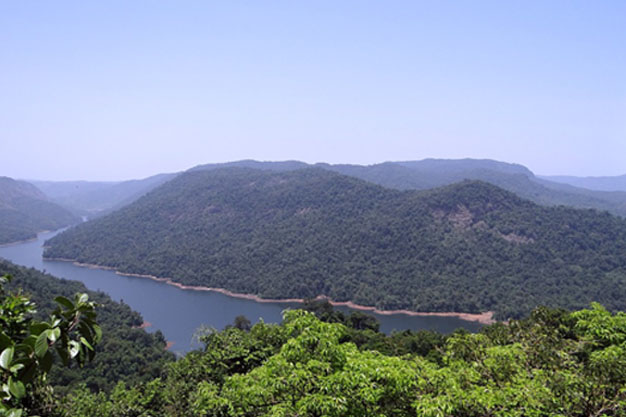
Running parallel to India’s coastline for 1600km from Gujarat to deep-south Tamil Nadu, the lush, forest-cloaked, Unesco-listed Western Ghats make up some of the most biodiverse territory on the globe. India’s second-highest mountain range is an untamed natural world of Jungle Book dreams, rich in unique, endemic flora and fauna, interspersed with carefully clipped, glittering-green tea plantations and once-splendid hill stations drenched in Raj–era history. 

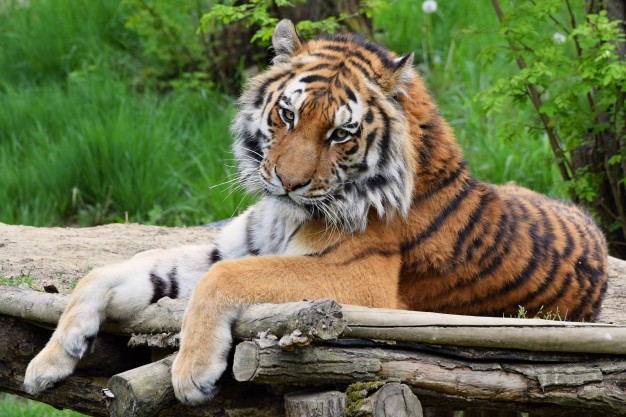
Though the Ghats on average reach 915m, in Tamil Nadu they tower over 2500m high in the Nilgiri Hills – where you’ll meet Ooty, ‘Queen of Hill Stations’ – and the Palani Hills near Kodaikanal. Across the border in Kerala, some of the world’s highest-altitude tea plantations sprawl around Munnar. In between, tigers, elephants, langur monkeys, chital deer and gaur (Indian bison) flit through the unspoilt wilderness of several contiguous protected parks.


Karnataka Tour Packages from Mumbai
Credit : pixabay.com

Ooty, queen of the Nilgiri Hills

It was British colonials who originally sought refuge from the sweltering lowland heat in these cool, mist-shrouded mountains of native shola (virgin forest), founding South India’s eccentric collection of hill stations. Today, it is Indian holidaymakers rather than foreign tourists who flock to the Western Ghats seeking cool air, natural beauty and green serenity.

Major town of the Unesco-designated Nilgiri Biosphere Reserve – a highly biodiverse 5520-sq-km area that flows across northwest Tamil Nadu into Kerala and Karnataka – the typically frenzied yet historically captivating town of Ooty (Udhagamandalam; 2240m) is Tamil Nadu’s most popular hill station. Like its Himalayan siblings, it was founded in the early 19th century, when Madras (now Chennai) was the capital of British India’s Madras Presidency. Ooty is also the springboard for exploring Tamil Nadu’s wildlife-rich Mudumalai Tiger Reserve, just northwest.

Ooty’s Hindu temples, lively bazaar, chaotic centre and pedalboat-sprinkled lake give way to flower-wreathed English-style lanes, passing splendid Raj–era buildings like the red-hued, still-operating 1867 Nilgiri Library, and St Stephen’s Church, dating from 1829. Many of these have been reimagined as exquisite heritage hotels: cosy 1855 bungalow Lymond House, or the early 19th-century Taj brand Savoy.

But this is still, of course, South India, and you’ll feast on tasty idlis, vadas, dosas and pure-veg thalis aplenty in Ooty’s restaurants. Beyond the town, you can escape into the forested hills on guided treks to tea plantations and tribal villages, or visit the 2633m Doddabetta viewpoint, the Nilgiris’ tallest.

Before the arrival of the British, the Nilgiris’ sole inhabitants were its distinct tribal communities, most well known among them the Ooty-area Toda, who dress in striking black-and-red embroidered shawls. The Tribal Research Centre Museum, 10km southwest of town, is worth a stop for its fascinating exhibits and displays on these tribal communities. Beyond the museum lies the beautiful, little-visited Avalanche Valley, reachable only on official forest department ‘ecotours’.

A cuppa in Coonoor


Bustling Coonoor (1720m) sits 20km southeast of Ooty, encircled by an emerald-green sea of tea plantations. Upper Coonoor (not hectic central Coonoor) makes a more peaceful alternative Nilgiri base to Ooty, with easy access to superb viewpoints, the 50-year-old Highfield Tea Estate, and such gorgeous heritage accommodation as 1900s British bungalow 180° McIver. Meanwhile, quiet Kotagiri (1800m), 30km east of Ooty, is the Nilgiris’ original hill station: its earthy-red Sullivan Memorial is the 1819 house of Ooty founder John Sullivan.

With the Nilgiris, half the fun is getting here – ideally aboard the celebrated British-built, narrow-gauge Nilgiri Mountain Railway. Awarded World Heritage status by Unesco, the blue-and-cream-coloured ‘toy’ train trundles between Mettupalayam in the plains and Ooty, via Coonoor, traversing tunnels, tackling bridges and passing ever-more-spectacular forest and tea-plantation views; you might even spy a wild elephant pushing through the undergrowth.

Kodaikanal, princess of the Palani Hills

Ringed by the protected Palani Hills, 250km southeast of Ooty, Tamil Nadu’s 2100m-high ‘Princess of Hill Stations’, Kodaikanal (Kodai), is all the more atmospheric when (often) veiled in mist. Unusually, Kodai was founded in 1845 not by moustachioed British Empire officials but by American missionaries escaping malaria in the Madurai lowlands, and has its own distinct character punctuated by its international school, organic-fired cuisine and popularity with Indian honeymooners.

Rowboats bob on the star-shaped lake, and the hazy surrounding hillsides are carpeted with shola forest – found only in the Western Ghats – and kurinji shrubs, which blossom in lavender-blue just once every 12 years (including in 2018!). Walks thread through forests to horizon-reaching viewpoints, shimmering lakes, and the budget-traveller haven of Vattakanal village (4.5km southwest of Kodai), which has the sociable vibe of a miniature South Indian Manali.

If you’re feeling adventurous, there are two-day treks (with guides) across to Munnar in Kerala via Top Station (1880m), with glorious views over the Ghats. The long-running and reputable trekking outfit Tracks & Trails offer guided walks and insider expertise. Stars of Kodai’s accommodation scene include expertly run, ecofriendly Cinnabar homestay, and the high-end, lake-view Carlton, a majestic colonial-era mansion, or choose to retreat to ecofocused Elephant Valley in the Palani Hills below, where elephants wander the 48-hectare grounds.

Munnar: tea, cardamom and cooking classes

Just over the border in serene Kerala, Munnar (1524m) is the hustle-bustle hub of South India’s major tea growing area. Much like Ooty, Munnar’s commercial, traffic-choked centre fades fast as you venture out into its mellow, enticingly green valleys and hills, where cottages hide amid the glinting leaves of manicured tea and cardamom plantations.

You can join guided treks to high-altitude mountain outlooks and tea estates and tour the model Tea Museum, or get hands-on with delicately spiced Keralan cuisine at a cooking class with respected food writer Nimi Sunilkumar. Among Munnar’s mountain escapes, gorgeous family-run homestay Rose Gardens shines for its cooking courses, valley vistas and coconut-pancake breakfasts.

Protecting The Western Ghats

Crisscrossing between Kerala, Karnataka and Tamil Nadu, the adjoining protected areas of Bandipur, Nagarhole, Wayanad, Sathyamangalam and Mudumalai host the planet’s single largest tiger population. According to India’s 2014 tiger census, 570 tigers prowl these wilds – you’ll be lucky to spot one, but keep your eyes peeled in the Ghats’ many national parks as there’s always a chance.

Karnataka’s 643-sq-km Nagarhole National Park, west of Mysuru (Mysore), is home to one of the world’s greatest concentration of wild Asian elephants, joined in its Kabini-River-flanking forests by tigers, leopards, dholes (wild dogs), chital, gaurs and langurs. Many of these signature species also roam Bandipur National Park just to the southeast, which encompasses 880 sq km at Karnataka’s junction with Kerala and Tamil Nadu.

The secluded, untouristed reaches of northernmost Kerala’s 345-sq-km Wayanad Wildlife Sanctuary are arguably your best bet for encountering South India’s wild elephants. In southern Kerala, 35 tigers and 900 elephants, plus sambar deer, wild boar and langurs, patrol the dense evergreen forests of Periyar Wildlife Sanctuary, one of India’s most extensive (925 sq km) and beloved parks. With around 50 elusive tigers, luscious Mudumalai Tiger Reserve, in Tamil Nadu, has one of India’s highest tiger-population densities; more regularly spotted are its elephants, jackals, langurs, gaurs, deer and peacocks.

Access to these ethereal, carefully guarded reserves is via official 4WD or minibus tour only; some parks might also offer guided treks. You’ll dine and sleep at hands-on wildlife lodges, such as Nagarhole’s lakeside Waterwoods Lodge and Mudumalai’s stylish Jungle Retreat, or at welcoming homestays such as Green View Homestay in Periyar and Bandipur’s Dhole’s Den.

For a thoroughly off-the-beaten-track Western Ghats wildlife experience, seek out Parambikulam Tiger Reserve in Kerala, or Tamil Nadu’s Anamalai Tiger Reserve, where Sinna Dorai’s Bungalow adds tea-plantation luxury.


To Know More Information About Karnataka Tour Packages from Mumbai ByCrossworld Holidays- Domestic Tour Operator in Thane


Source - lonelyplanet.com

Exploring Delhi's Eight Historic Cities

Image Alternative text

October 2018 
At first glance, Delhi embodies all that is exasperating and chaotic about modern India. It can take nerves of steel to face the frenetic pace at which it whirls through daily life. But grant Delhi a more discerning gaze and you’ll uncover a host of redeeming features. Topping the list is Delhi’s historical legacy, with the ruins of eight ancient cities peeking out through the city streets, from Islamic citadels and the mausoleums of Sufi saints, to the colonial flourishes of Edwin Lutyens in New Delhi. Taking the Delhi Tourism HoHo Bus is a handy way to time-travel across this ancient octet, but the Metro runs close to most of the historic sights.


Delhi's first foundations at Lal Kot

Early records link Delhi to the mystical city of Lal Kot, founded by the Hindu king Anangpal Tomar in the eighth century, but apart from remnants of an easily missed fort wall beyond the Qutb Minar, little remains of the city that thrived here for over 300 years. More can be seen of Qila Rai Pithora, established by King Prithviraj Chauhan, who seized, rechristened and expanded Lal Kot in the 11th century. Punctuated by bastions, the once impenetrable walls today enclose a well-maintained public park along the Saket-Mehrauli Road. A circular building across from the main gate contains a small library, crowned by a massive statue of the legendary Rajput ruler.

The Qutb Minar and mighty Mehrauli

Domestic Tours and Travel Agent in Thane Mumbai
Credit : pixabay.com
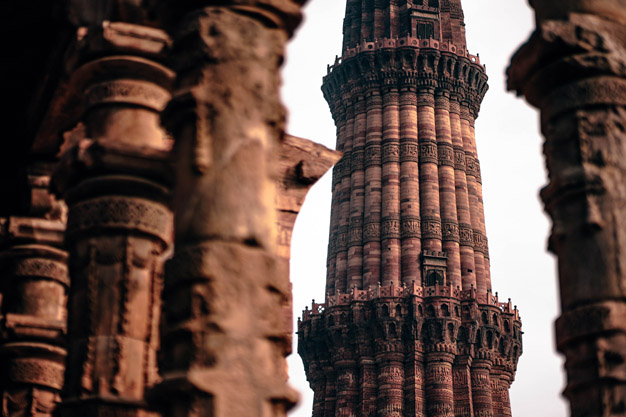
In the 12th century, the Mamluks, first of four consecutive Turkic dynasties to rule Delhi, arrived on the scene, founding another new capital at Mehrauli. To celebrate, the victorious sultan Qutbuddin Aibak commenced with the construction of the Qutb Minar, the tallest brick minaret in the world at 73m – sadly, it can no longer be climbed after a deadly stampede in 1981. One of Delhi’s top tourist attractions, the sprawl of ruins also includes the Quwwat ul Islam, reportedly north India’s first ever mosque. More Mamluk-era buildings are dotted around the Qutb Minar complex, but the Mehrauli area is going upmarket, with high fashion design stores, lifestyle boutiques, buzzing fine-dining and hip casual cafes. In September, Mehrauli is the focal point for Phoolwalon ki Sair, when flower vendors offer floral offerings at shrines, praying for an efflorescent Spring.

Seeking Siri at Hauz Khas

Sultan Alauddin Khilji is credited with building the third city of Delhi, to the northeast of Mehrauli, at the end of the 13th century. Siri was long ago consumed by the urban sprawl, but some extant ruins, reminiscent of Turkish forts, are visible along Khel Gaon Marg. You’ll pass them en route to the Siri Fort Auditorium, site of many a film festival premier. The neighbouring village of Shahpur Jat offers up plenty of trendy eateries. For more prominent Khilji footprints, you’ll need to head to the ancient reservoir and Islamic seminaries of Hauz Khas village. When you tire of exploring ruins, fall back on countless cafes, boutiques, nightclubs and watering holes in this hip and happening neighbourhood.

The towering walls of Tughlaqabad

On assuming power at the turn of the 14th century, the founder of the next dynasty, Ghiyas-ud-din Tughlaq, built yet another citadel in the hills to the southeast of Delhi. The ruins today are overgrown and largely forgotten; even the imposing Tughlaqabad Fort – home to some impressive Tughlag-era tombs – is overrun by goats and weeds. The next sultan, Mohammad bin Tughlaq, was prone to flights of fancy, and shifted his capital to Maharashtra soon after, but he returned to build Jahanpanah, another mighty city now lost to history. The Khirki Mosque, a geometrical marvel accessed from a narrow alley across the road from Select Citywalk Mall in Saket, is one of few tangible surviving relics.

Fascinating Firoz Shah Kotla

Firoz Shah, last of the Tughlaq monarch, moved his seat to the banks of the Yamuna River in the middle of the 14th century, but unlike in most of Delhi’s vanished cities, the ruins he left behind are still an active place of worship. Every Thursday, the gardens enveloping the atmospheric palace ruins teem with worshippers headed to the mosque at the heart of the compound. A pillar carved on the orders of the emperor Ashoka in the 3rd century BCE hints at far older history. Within bowling distance on Bahadur Shah Zafar Marg, the Feroz Shah Cricket ground was built in 1883, making it the second oldest cricket ground in India, after the Eden Gardens in Kolkata.

Towards the end of the century, the Tughlaqs made way for the Sayyids and Lodis, who left a lavish legacy of elegant tombs and mausoleums, scattered around the peaceful grounds of the Lodi Gardens near Khan Market. Look out for the uncharacteristically plain tomb of Ibrahim Lodi, whose defeat at the hands of Babur finally ushered in the Mughal era in 1526.

The Purana Qila, heart of short-lived Shergarh


Domestic Tours and Travel Agent in Thane Mumbai
Credit : pixabay.com
The rule of Humayun, the second Mughal Emperor, was interrupted briefly by Sher Shah Suri, a feisty Afghan soldier who stormed into town in 1540. Humayun’s half-finished fort, Dinpanah, was captured and renamed Shergarh, but just 15 years later, Sher Shah tripped down the stairs of his private library and died from his injuries, putting the Mughals firmly back in the saddle.

Sher Shah’s architectural efforts, collectively referred to as the Purana Qila, are mostly in good repair, set in expansive grounds off Mathura Rd, near the National Stadium.

The octagonal jewel box of the Sher Mandal was the site of Sher Shah’s fatal fall, and nearby is the magnificent Qila-e-Kuhna Mosque, finished in red sandstone and gleaming white marble. A sound and light show illuminates the ruins daily (except Fridays) from February to April. While here, you can duck south to the green surrounds of Delhi Zoo, or check out what is taking place at the Pragati Maidan, a 150-acre exhibition space that hosts the annual India International Trade Fair every November.

Finding Shajahanabad in the streets of Old Delhi

In 1648, Shah Jahan, the fifth Mughal emperor, built Delhi’s seventh city and called it Shajahanabad, now popularly known as Old Delhi. An aesthete by nature, he bequeathed Delhi many of its most majestic monuments. The Red Fort, from whose sandstone ramparts Indian Prime Ministers address the nation on Independence Day, is Delhi’s signature building, the seat of the Mughals until the last emperor was exiled by the British in 1858.

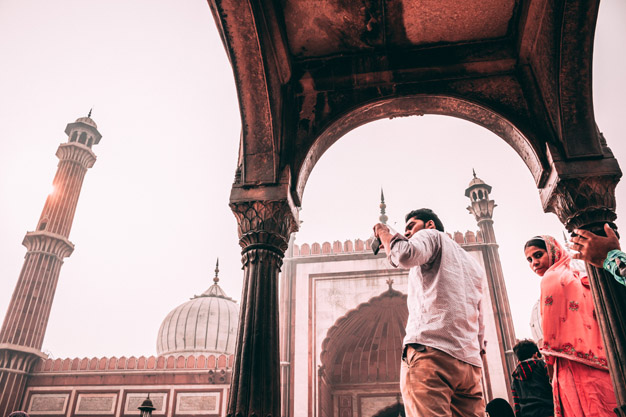
To see more Shajahanabad wonders, duck into the bazaars of Chandni Chowk. At the heart of the maze of bustling alleyways and wholesale markets is the landmark Jama Masjid, arguably the most perfectly proportioned mosque in India, and also its largest. The street food of Chandni Chowk is legendary amongst Delhiites, with Karim’s topping the list for meaty Mughlai meals, and Gali Paratha Wali for Punjabi paratha breakfasts.

Navigating the colonial corners of New Delhi

If Old Delhi was the soul of the Mughal city, New Delhi was where the British stamped their identity onto India. Mughal power was already in decline when the British Resident arrived in 1803, but it was only in 1911 that King George V anointed Delhi as the capital of British India – a rather lonely obelisk inside Coronation Park marks the spot where he made the announcement. Shortly after, the construction of New Delhi, the eighth and last city developed under foreign rule, began.

Named for the British architect credited with fashioning the Delhi order of architecture, Lutyens Delhi is where the seat of Indian democracy lies today. Most visitors know Connaught Place and India Gate, but the surrounding district is an orderly spread of leafy boulevards lined with elegant bungalows, stately homes, grand offices, museums and art galleries. With the exit of the British in 1947, Indian politicians took over control of the grand civic buildings along Rajpath. Today, the flag of independent India flies proudly over Parliament House and Rashtrapati Bhawan, but tucked behind is another reminder of Delhi’s richly layered history, the Mughal Gardens, created by Lutyens but inspired by the grand civic gardens of the Mughal empire.


To Know More Information About Thane Travel Blog, Travel Tips and Tricks, Article, Resources By Crossworld Holidays- Domestic Tour Operator in Thane


Source - lonelyplanet.com

5 tips for India first-timers

Image Alternative text

October 2018 
Chaotic, bamboozling, intoxicating, crazy, exasperating, wonderful, squalid, beautiful, daunting, overwhelming, and fantastic.

India is all these things, and more. How can you possibly prepare yourself? Start with our tips for taking the ultimate travel plunge: going to India for the first time!

1. Pick the perfect route

India packs a lot into a massive space, and you'll never have time to see it all on one trip. Think about what interests you, what you like doing and how much time you have, and tailor your trip accordingly. Be realistic about how much you can fit in. Rather than trying to see the whole country, you may get more out of your trip if you concentrate on the south of the country, or on the north. However, internal flights are plentiful and inexpensive so you can hop from north to south if you want a taste of both worlds. The itineraries section at the front of Lonely Planet's guidebooks to India can be a great help, but here are some possible itineraries to get the ball rolling.

Domestic Tours and Travel Agent in Thane Mumbai
Credit : pixabay.com

The classics:

The most popular India tour is the all-time classic Golden Triangle. If time is short this is a fantastic introduction to three of India's top destinations, Delhi, Agra and Jaipur, and you can squeeze it into a week if you don't mind moving every couple of days. Start in Delhi, with sights such as Humayun's Tomb and the Red Fort, before hitting Agra and touring the Taj Mahal, Agra Fort and Fatehpur Sikri. Then it's on to Jaipur to explore the Pink City and the fort at Amber, before returning to Delhi's wonderful bazaars for a final shopping spree before you fly home.

Religious sites:

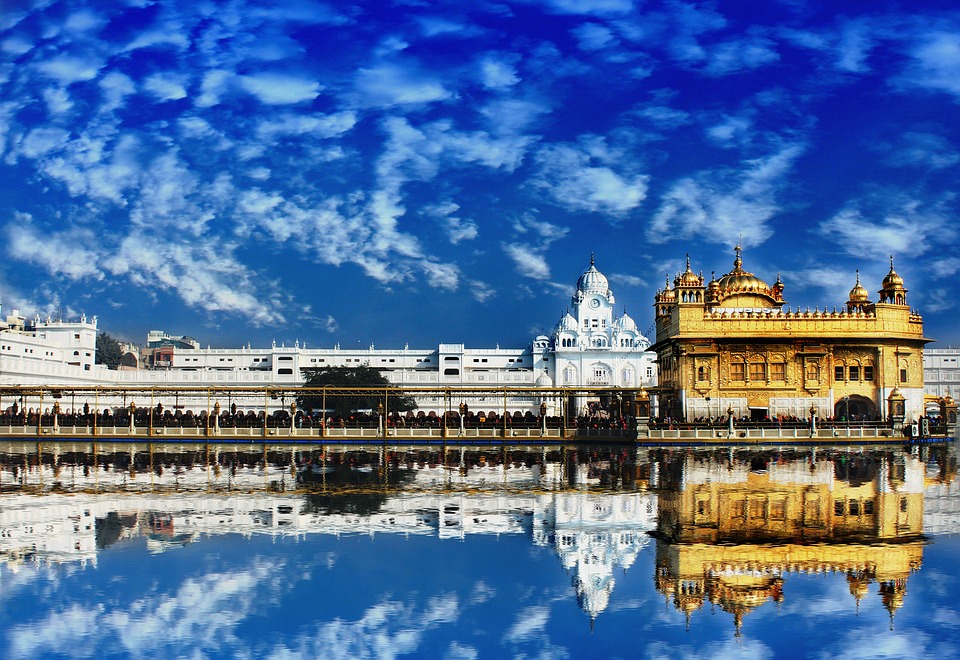
If it’s temples you’re after, you’ll find them everywhere, but in north and central India, you'll be truly spoiled for choice. There’s the Golden Temple in Amritsar, the erotically carved edifices of Khajuraho, Konark's rock-carved Sun Temple, and cohorts of exquisitely hewn milk-white-marble Jain temples in Rajasthan and Gujarat. Temples in the south are something else again, with towering, statue-covered gopuram towers; there are stunning examples at Hampi, Madurai, Tiruchirappalli and Tiruvannamalai, and exquisitely decorated temple caves at Ajanta and Ellora, and Elephanta Island near Mumbai.
Domestic Tours and Travel Agent in Thane Mumbai
Credit : pixabay.com

Mughal magic:

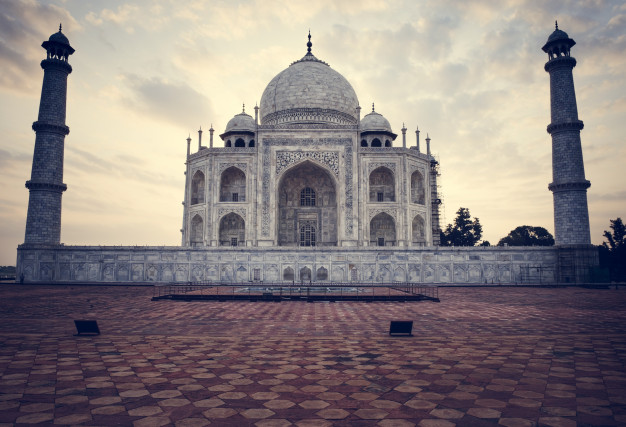
Fans of Islamic architecture will find some spectacular monuments in Delhi, home to the Red Fort, the mosques and minarets of the Qutb Minar complex and Humuyan’s Tomb. Nearby you can revel in more graceful Mughal splendour at Fatehpur Sikri and Agra, home of the Taj Mahal, before exploring Rajasthan's captivating collection of Mughal forts, including Jaisalmer, the very vision of an Arabian Nights desert fortress.

Beaches & waterways:

Head south to enjoy India’s finest beaches. Munch bhelpuri (puffed rice, noodles, green mango and a tangy sauce) on Mumbai’s Girgaum Chowpatty beach before drifting south to the sand and sun in Goa. Take your pick of the Goan beaches – Arambol, Vagator, and Palolem are top spots – or try the black sand beaches of Kovalam and Varkala in Kerala, as well as lesser-known, golden sand in the north of the state. Kerala is also famous for its meandering backwaters, where you can hire a houseboat or a canoe and let the world glide gently by. Similarly serene is beautiful Dal lake in Srinagar in Kashmir, where – depending on the security situation –you can watch the mountains rise out of the mist from the walnut windowframe of a traditional wooden houseboat.

Domestic Tours and Travel Agent in Thane Mumbai
Credit : pixabay.com

Wildlife encounters:

Your best chances of spotting a tiger are in the national parks of Madhya Pradesh or Rajasthan, but there are national reserves all over India where you can track down wildlife as exotic as lions (Sasan Gir, Gujarat), wild asses (Little Rann, Gujarat), one-horned rhinos (Assam) and wild elephants (Wayanad, Kerala), as well as abundant birdlife (Bharatpur, Rajasthan). Not quite wildlife, but certainly wild, are camel treks through the desert from Jaisalmer or Bikaner in Rajasthan.

Domestic Tours and Travel Agent in Thane Mumbai
Credit : pixabay.com

Trekking & mountains:

The north is a playground for adrenaline seekers, with pretty much every outdoor activity imaginable on offer in the Kullu Valley and the high reaches of Uttarkhand and Himachal Pradesh, from treks to skiing and white-water rafting. Shimla, the classic hill station, is a great place to start, as is Manali, still further north. Ideal trekking season is in September/October, after the monsoon. To take adventure up a notch, set off from Manali for the epic two-day journey (possible from mid-June to mid-September) to Leh in Ladakh, whose towering mountain peaks are criss-crossed by epic hiking trails. Rishikesh is another top spot for rafting and trekking, with a famous pilgrimage trail to four sacred mountain temples, and more treks await in mountainous Sikkim.

Spiritual India:

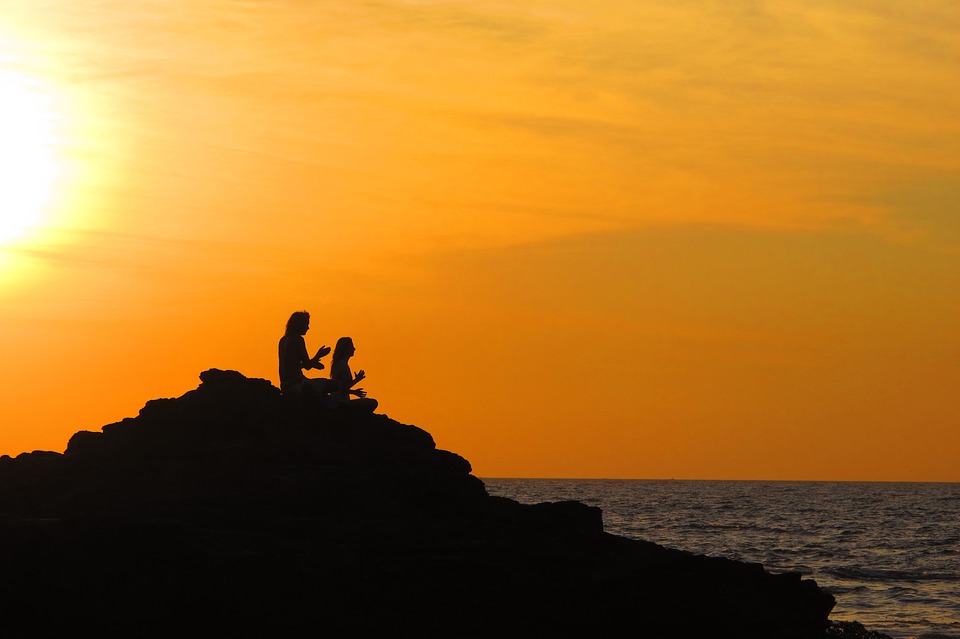
For religious fervour, Varanasi reigns supreme, with its ancient funeral ghats where Hindus pay their last respects to the dead beside the sacred River Ganges. But you’ll encounter India’s spiritual side all over the country, particularly at pilgrimage towns such as Ajmer and Pushkar in Rajasthan, or the Sikh holy city of Amritsar in the Punjab. If you want to get more involved, you'll find classes in meditation and yoga almost everywhere, from the Delhi suburbs to the ashrams of Rishikesh. For Buddhist encounters, aim for Tibetan-Buddhist centres such as Leh in Ladakh and McLeod Ganj (Dharamsala), home to the Dalai Lama and the Tibetan government in exile.

2. Slow down

Many people try to cram too much into a visit to India. To get the best out your trip, concentrate on a few places rather than trying to tick off as many as possible. Seeing one place slowly can be much more rewarding than seeing loads of places, but not having time to appreciate any of them. Spend a few days in a place and you'll be less stressed, gain a deeper understanding of where you are, and have more time to get to know the people you meet.

3. Escape the crowds

With over a billion locals, many parts of India are certainly crowded. The bustle and mayhem can be fun, particularly if there's a festival in town, but it's easy to reach the point of saturation. Fortunately, India has plenty of quiet retreats, so plan some relaxing escapes into your journey. To keep your batteries charged, spend some days or weeks in a city, followed by some days or weeks in the countryside or in a small town. For inner (and outer) peace, head south to the backwaters and beaches of Kerala, or north to India's captivating hill stations or the Tibetan-influenced valleys of the Himalaya in Ladakh, Sikkim and Himachal Pradesh.

4. Stay healthy

No one wants to get ill, particularly if you’re on a shorter trip, so it pays to take steps to avoid a dodgy tum. Never drink tap water, and steer clear of any food that may have been washed in it. As a precaution, avoid ice, ice cream, and salads and fruit you haven't just peeled yourself. Let your stomach acclimatise for a few days before launching into a street food feast, and whenever buying street food, do a mental assessment of standards of cleanliness. Are the owners freshly cooking the food or has it been standing there for a while? Is the stall busy with lots of customers or only attracting hoards of flies?

Many travellers go veggie whilst in India, and it's not a bad idea, as a dodgy bit of meat will do you a lot more harm than undercooked vegetables. Plus, many Indians are vegetarian, so the country offers perhaps the world's most fabulous choice of vegetarian food. If you do eat meat, make sure it's well cooked, and stick to stalls and restaurants that are packed with locals (the best barometer for hygiene standards).

When you’re on the road, you may well find you have to use some less than sanitary toilet stops, but these don't have to be health hazards. Toilet paper is rarely provided, but the left-hand-and-water-jug method preferred by many locals can be fine if you carry soap with you so you can wash your hands properly afterwards. Anti-bacterial wipes and anti-bacterial gel are also handy to keep in your day bag for a last minute clean up before eating with your fingers.

5. Keep your cool

As well as its beauty and wonder, India has an often deserved reputation for touts, scams, and other hassles. There are ways you can reduce the chances of being overcharged or cheated, but you will have a few encounters with scammers on your trip, so keep your wits about you and remember that deals that sound too good to be true usually are. In particular, be wary of taxi and rickshaw drivers who insist on taking you to specific hotels, shops or travel agencies – the cost of their commission will added to your bill.

The single most important piece of advice for any India first-timer is to try to remain calm, no matter what. Frustrations boil over easily in India, and being able to control them, take a deep breath and move on, is key to enjoying your time here. If you’re getting stressed about losing some money or being scammed, take a moment to consider how much you’ve really lost and whether it’s worth getting that fussed about.

Now go out, and claim your piece of the subcontinent!


To Know More Information About Thane Travel Blog, Travel Tips and Tricks, Article, Resources By Crossworld Holidays- Domestic Tour Operator in Thane


Source - lonelyplanet.com

Monday, 15 October 2018

Best Things To Do In Shimla

Image Alternative text


October 2018 
One of the pleasantly panoramic and pristine pure hill stations of Himachal Pradesh, Shimla has always been and remained a prime tourist destination in north India and has attracted families from India and abroad. Snow capped hills, religious sites, museums and art galleries are the famous tourist attractions of Shimla. This charming hill station of Himachal Pradesh named after the famous ‘Goddess Shyamala Devi’, an incarnation of Goddess Kali. The panoramic nature and salubrious climate make it the most sought after hill resorts in India.

Domestic Package Tours Booking Thane

Credit : pixabay.com

Here is the list of best things to do in Shimla vacations for a memorable trip.

Christ Church Shimla

Second oldest church in North India, Christ church in Shimla is one of the most visited and prime attraction in Shimla city. The church has witnessed a number of changes through the years. Later, the church was consecrated on 10th January, 1857 by Bishop Wilson of Calcutta. With Neo-Gothic style, the exquisitely designed windows of the church are its key feature.The church has five glass windows which allure people from different communities to visit here and have a glimpse of their beauty. Every window of the Christ church is known to present different virtues of Christianity including faith, hope, charity, fortitude, patience and humility. Moreover, you can see some beautiful wall paintings in Christ church and the paintings that portray scenes from Jesus Christ’s life. A visit to Christ church in Shimla would surely offer you great peace and power

Viceregal Lodge

Commonly referred as Rashtrapati Niwas, Viceregal Lodge is one of the most spectacular structures in Shimla. Settled on the picturesque observatory hill of Shimla, the striking Niwas is exquisitely designed in Jacobean style; English styles depicting renaissance revival. The teak-paneled interiors are star attraction of Viceregal Lodge, which are immensely beautiful and unique. Further, as soon as you get to see the building, you would surely get a feel of fantasy world of Harry potter. Actually Viceregal Lodge is also best places for history buffs and art lovers. There is grand reception hall, staircase, amazing facade, several artifacts and beautiful lush lawns that offer you a great lifetime experience. You can also witness some inscriptions and photographs from the times of British Colonial rule. Today Viceregal Lodge in Shimla turned into Indian Institute of Advanced Study, but you can take a guided tour of the buildings.

Gaiety Heritage Cultural Complex

Designed by renowned architect Henry Irwin in Gothic Victorian style, the Gaiety Heritage Cultural Complex constitutes of a City Museum, amphitheatre, multipurpose theater and conference hall. The prime attraction of the Gaiety Heritage Cultural Complex is Victorian theater where well-known artists like Rudyard Kipling, Prithvi Raj Kapoor and Baten Powel have performed.Excellent performances and a mélange of various programs are the highlights of the theater. Basically, you can say the place is historic cultural center where you get to witness some of the arts and crafts and historical objects.

Jakhu Temple

If you think reading guidebooks before embarking on your journey paints the picture, try devouring a delicious plot that captures the culture, scenery, and must dos of a destination all at the same time. There isn’t a destination in Europe that isn’t written about prolifically. If Cinque Terre is on your bucket list, read Beautiful Ruins

Fit a Wellness Retreat Into Your Itinerary

When we think Europe, our minds often don’t drift toward a lavish wellness retreat in the most spectacular destinations. Why not? Millennial travelers are redefining the European travel experience by searching for retreats that combine immersive cultural experiences. Grab your best friends and try a luxury yoga retreat in Positano, Santorini, or Ireland with Crossworlds Holidays

Incorporate a Fitness Routine Into Your Trip

Eat pasta and croissants, but don’t undervalue the importance of balance. Whether you pack your running shoes, make a YouTube fitness playlist, or grab your yoga mat and trek to the closest beach, make your body a priority on holiday.

Tara Devi Temple

Another sanctified spot in Shimla, Tara Devi Temple settled on a top a lush green hill and around km away from Shimla. Dedicated to Goddess Tara Devi (important goddess of Tibetan Buddhist and considered one of the nine sisters of Devi Durga), the temple of Tara Devi is considered one of the ancient temples in Shimla, more than 250 years old. The temple is not only visited to seek blessings, but also to enjoy scenic views from the hill top. Locals here claim that wooden statue of Goddess Tara was brought to this temple by Sen Dynasty King from West Bengal and was established as per Vaishnav tradition. During Sharad Navratri, on the day of Ashtami, special pooja is organized in the temple. All the rituals and worship ceremonies are performed with great devotion and dedication.

Naldehra Golf Course

Naldhera Golf Course was put up under the supervision of Lord Curzon who was so much enchanted with the gorgeous beauty of the place that he named it after its youngest daughter Naldehra. Moreover Naldehra Golf course in Shimla is one of the oldest golf courses in India and is best-known for its charming beauty. The course is a PAR 68, 18hole with 16 Greens and 18 Tees and has a design reminiscent of Scottish links courses. Initially the course was built as a 9 hole, but later extended to 18 holes. Naldehra is the only one and best place to enjoy golfing in Shimla.

Chadwick Waterfall

One of the famous attraction for families in Shimla, Chadwick waterfall. The water gushes down from a height up to 1587m, relaxing all your senses. The clear water appears to be like crystals falling down. Surrounded by abundant greenery, consisting mainly of pine and deodar, Chadwick fall in Shimla is like a wonderland for nature lovers.

Himachal State Museum

The Himachal State Museum mainly depicts the life and culture of the hilly people. Formerly the museum was a private residence of Lord William Bereford, but after Independence it served as the residence of Indian Government officials. The grand building was transformed into a museum on January 26, 1947 with an objective behind, to collect and preserve the historic objects, artifacts and archaeological items of the state Himachal Pradesh. The museum houses wonderful collection of ancient historical sculptures, coins, paintings and photographs. It also houses a library which has a great collection of around 10, 000 books, journals and magazines. Further, there is a gallery too, which has metal, wooden and stone sculptures. In-addition, there is a paintings section, where you can see some amazing works of- Pahari and Rajasthani painting, religious, Mughal and contemporary paintings. The major attraction of the museum is the doll gallery which exhibits massive collection of Himachali tribal and bride dolls.

Shopping on Mall Road

Apart from being gifted with lovely scenic beauty, Shimla is also regarded as a shopper’s paradise for those who love shop. With number of breathtaking attractions, the mall road at Shimla is best-known for its vibrant markets. Mall road is one of the liveliest places in Shimla also known as heart of Shimla bustling with social life. There are number departmental stores, showrooms and shops to keep you engaged for hours. Starting from the Oberoi Clark hotel to Scandal point, you can get number of shops, clubs and restaurants on this road. Some of the best buys of the place are woolen garments (shawls and Himachali caps), accessories, wooden articles, pottery and handicrafts. There is a Himachal Emporium on the Mall road which offers handicraft products including locally designed woolens, pottery items, and shimmering jewelries, manufactured in Himachal Pradesh. Further, the Tibetan and Lakkad bazaar which adjoins the mall is also a major hub for shopaholics. Some of the unique buys here include wood work pieces and excellent quality garments.


To Know More Information About Thane Travel Blog, Travel Tips and Tricks, Article, Resources By Crossworld Holidays- Domestic Tour Operator in Thane